
Retiring an old condenser
AC Installation and Replacement in Norcross
A new system matched to the house or building it serves, installed carefully and tested until every reading checks out.
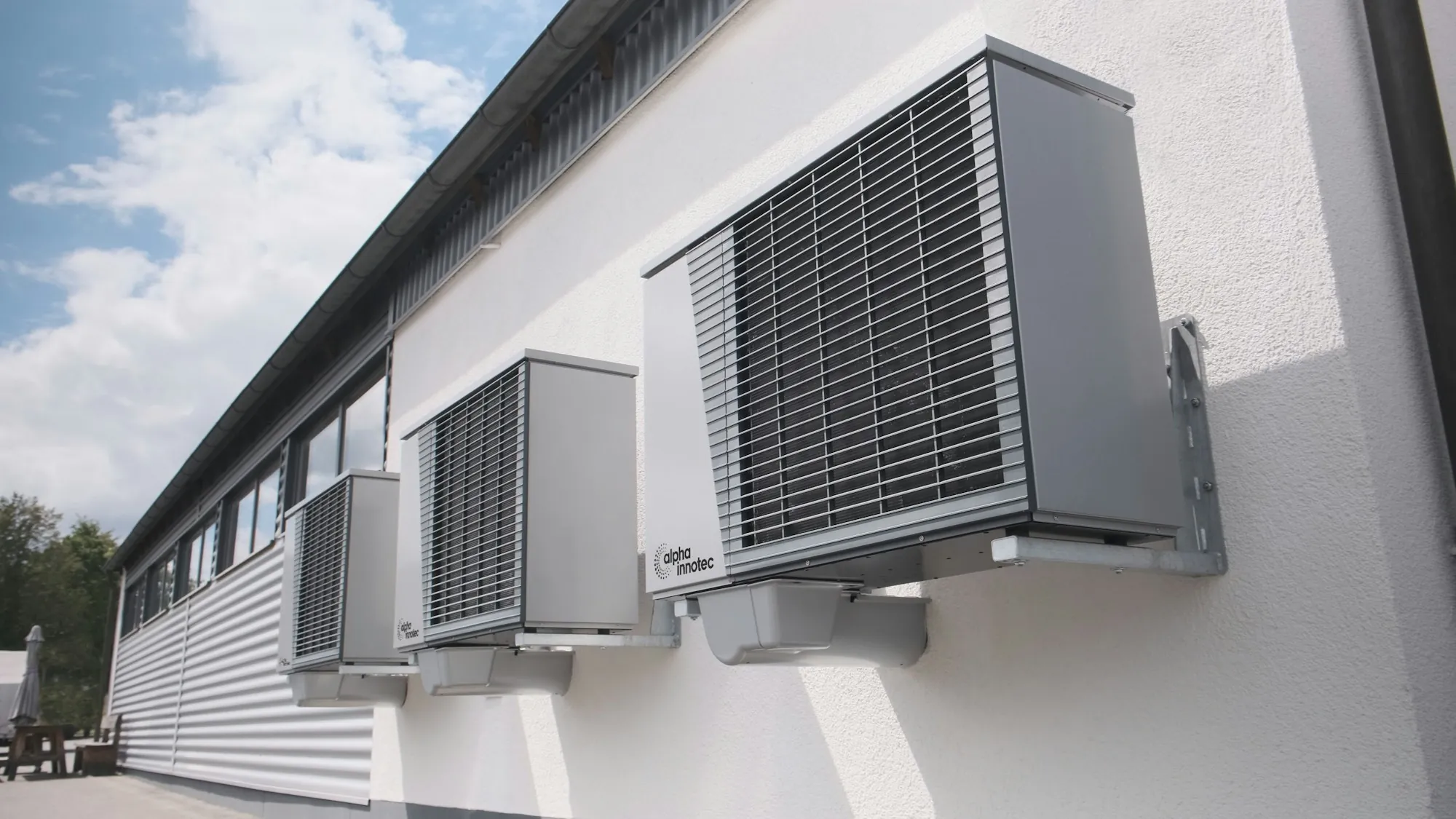
Swapping Out Central Air Without Shortcuts
Putting in a new air conditioner is a heavier decision than any single repair, and it should not be made from a glance at the nameplate and a glossy flyer. HVAC Norcross opens the conversation with a plain question: does this equipment actually need replacing? The answer comes from how many summers the unit has behind it, the service calls it has racked up, the price of the repair in front of you, whether the rooms or zones have ever held temperature and where the utility bills have been heading. Sometimes one repair on healthy equipment is the right spend, and you will hear that from us. When a new system is the better path, the step that matters most happens before anyone picks a model: the load calculation. Oversized equipment chills the air fast and shuts off before it wrings out the moisture, so the space feels cold and clammy at once. Undersized equipment runs straight through the afternoon and still loses ground. We size to the building itself, its insulation, its glass, its occupancy and the duct runs that are really there, and we confirm the ducts can carry the airflow the new unit expects. A SEER2 rating tells part of the story, but sizing and installation quality decide how the system performs day to day. The job itself covers a matched evaporator coil, a new or properly flushed line set, condensate and electrical work, a permit and inspection when the county or city calls for one, a thorough startup and removal of the old equipment. For a business, the changeover is timed around opening hours so nobody is shopping or eating in a warm room while we work.
Pieces of a Norcross AC Changeover
No two buildings get an identical install, though nearly every job involves these steps.
Should it be replaced at all
Years in service, the repair log, comfort complaints and running costs all weighed frankly, so new equipment goes in only when it should.
A real load calculation
Equipment chosen for the square footage, insulation, windows and duct layout of the actual space.
Duct capacity confirmed
Supply and return ducts inspected to confirm they can deliver the airflow the new system needs.
Coil and condenser as a pair
The indoor evaporator paired to the outdoor condenser as a set, so the two sides are built to work together.
Copper and condensate
Copper lines replaced or flushed clean, and the condensate drain run with proper slope and a safety switch.
Breaker and disconnect
Disconnect, breaker and wiring sized and connected to suit the new equipment.
County or city paperwork
Permits pulled where the county or city requires them, with the inspection coordinated.
First run and removal
Charge, airflow and supply temperatures confirmed on the first run, with the retired equipment hauled off the property.
How a Replacement Unfolds, Start to Finish
Survey the existing setup
A technician inspects the current system, the ductwork and the electrical supply, and talks through the comfort problems you have been living or working with.
Put the choices side by side
You get the repair option where it still makes sense and the replacement options with their prices, explained plainly so you can weigh them without pressure.
Set, start up and show you around
The old equipment comes out, the new system goes in with care for floors and finishes, and it is tested at startup. Then we show you how it runs and what upkeep it needs.
Why Norcross Owners Hand Us Their Replacement
Repair still gets a fair hearing
If a repair still makes sense, you hear that first. Replacement is a recommendation, never a default.
Sized to the space, not the sticker
Capacity comes from a load calculation on the building, never from the sticker on the unit being retired.
Changeovers timed for your hours
Commercial changeovers are scheduled to keep the doors open and the disruption small.
- Frank fix-or-replace verdict
- Capacity matched to the building
- Permit and inspection arranged
- Retired unit carted off
Is the Old Unit Ready to Retire?
Share the age of the equipment and how it has been acting lately. We will weigh a repair against a replacement with you, based on the space it serves.